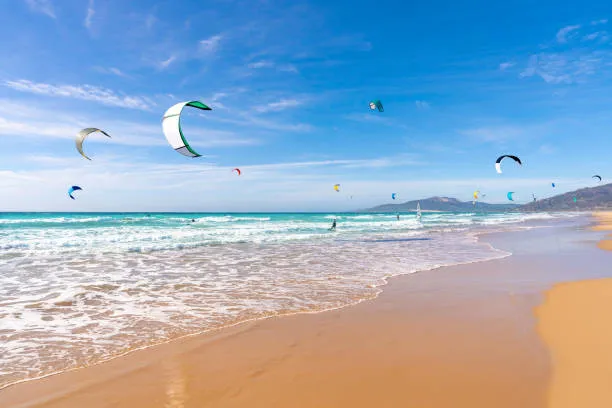
Kitesurfing Spain: Sun, Wind, and Culture
Spain offers reliable wind without leaving Europe. Whether you prefer the endless beaches of the Atlantic coast or the island vibes of the Canaries, our selection prioritizes accommodation where the spot is at your doorstep, saving you from the logistical headaches often found in popular Spanish spots.
1
Destinations
2
Hotels
1
Kite Schools
Destinations in Spain
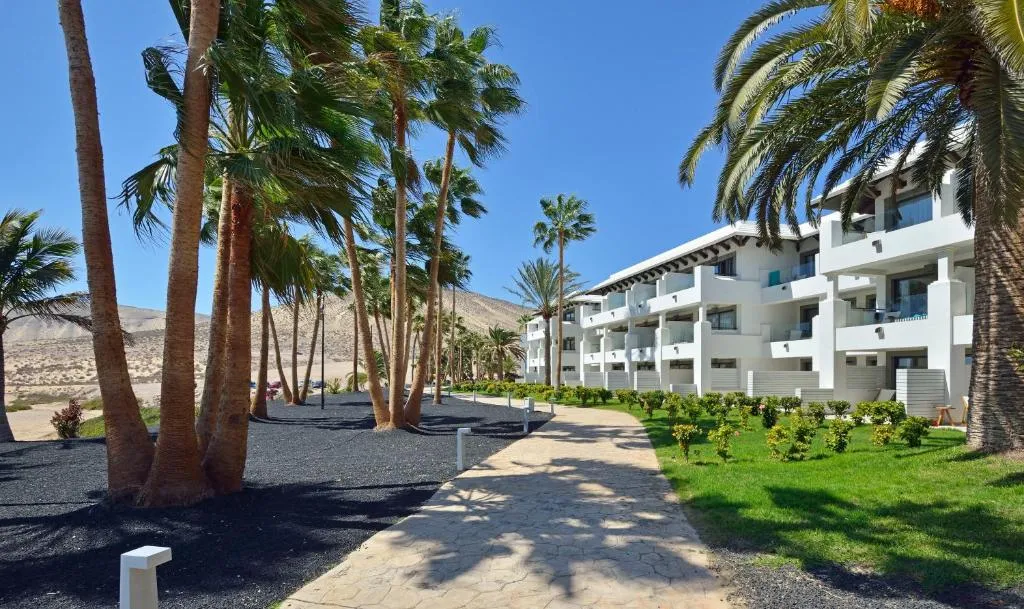
Hotels in Spain
See all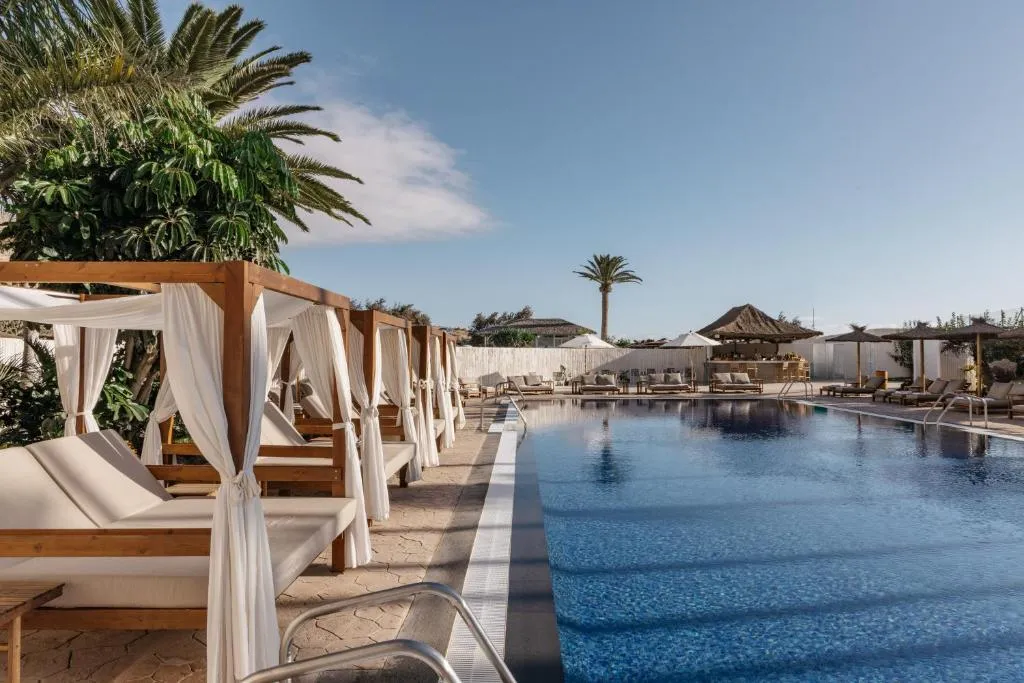
Kite Schools in Spain
See all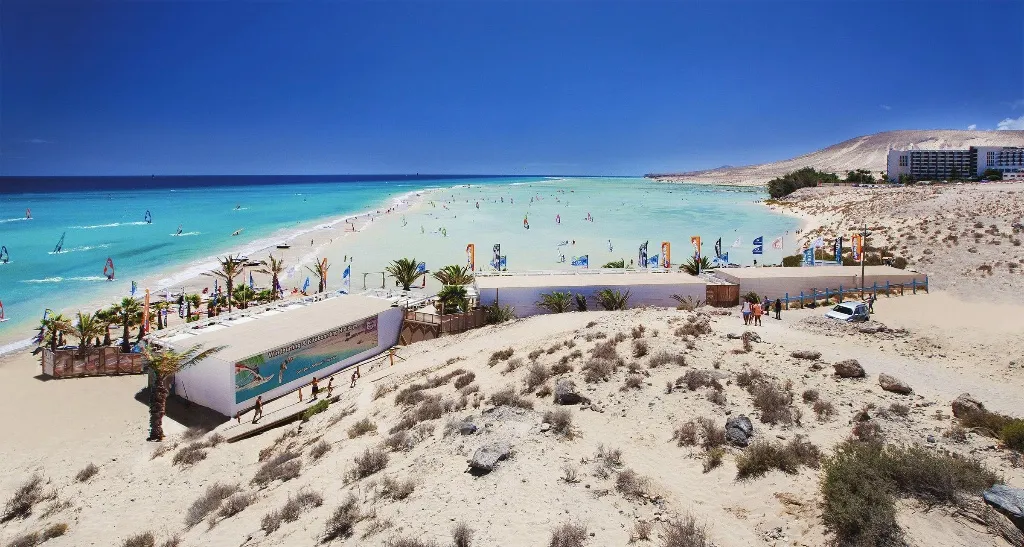
More about Kitesurfing in Spain
Why kitesurf in Spain?
Spain offers some of the most reliable wind in Europe without the need for a long-haul flight, and its standout kite region is the Canary Islands. Fuerteventura in particular is a year-round destination thanks to the dependable north-easterly trade winds, combining a beginner-friendly tidal lagoon with open-ocean and wave options. Warm, dry weather, long sandy beaches and solid resort infrastructure make Spain an easy, comfortable choice for both dedicated riders and families.
The main spot: Fuerteventura and Sotavento
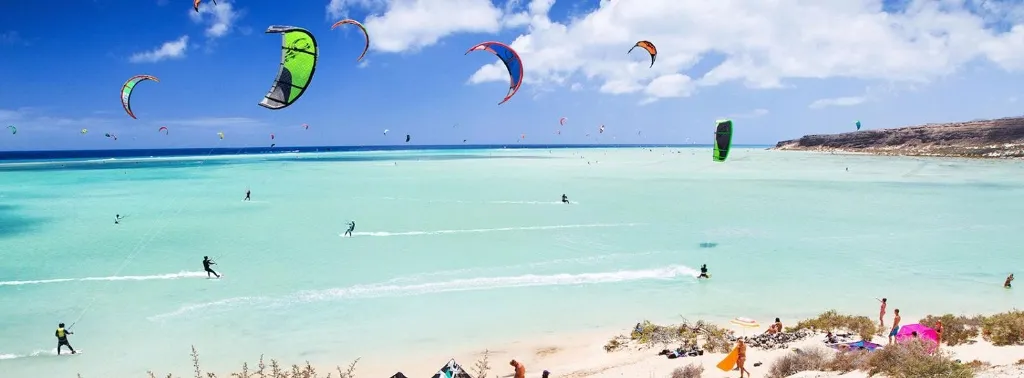
Our Spanish selection focuses on Fuerteventura in the Canaries, and especially Playa de Sotavento in the south. There, a tidal lagoon forms behind a sandbank: at low tide it becomes a huge shallow flat-water playground ideal for beginners and freestyle, and at high tide it deepens for blasting and jumping. Sotavento is the long-standing home of PWA world-cup events, so the wind pedigree is proven, and the surrounding coast adds chop and waves for advanced riders.
Wind and the best time to visit
Fuerteventura's NE trade winds blow with roughly 80% reliability and are strongest from March to October, often in the 18-28 knot range in summer, so a smaller kite is useful in peak months. The Canaries are genuinely rideable year-round. Water temperatures stay mild, around 22°C in summer and 18°C in winter, which means a shorty in high summer and a 3/2 wetsuit in the cooler months.
For beginners and families
The tidal lagoon at Sotavento makes Fuerteventura genuinely beginner-friendly, with professional, multilingual schools teaching in shallow, flat water at low tide. The south-coast resorts are built for holidays, with pools, restaurants and activities, while the island offers some of the best beaches in Europe and the famous Corralejo dunes, giving non-kiting partners and children plenty to do.
Getting there and getting around
Fuerteventura Airport (FUE) has direct flights from many European cities year-round, and it is roughly a 1-hour drive south to the Jandía / Sotavento area. As part of Spain and the EU, the Canaries are an easy, familiar destination for European travellers. A rental car helps for exploring, but our selected hotels sit right on the spot, so you can ride without a daily commute.
Frequently Asked Questions about Kitesurfing in Spain
Where is the best kitesurfing in Spain?
The Canary Islands offer Spain's most reliable wind, and Fuerteventura is the standout, especially Playa de Sotavento in the south with its beginner-friendly tidal lagoon and proven PWA world-cup wind.
When is the best time to kitesurf in Fuerteventura?
The NE trade winds are most consistent from March to October, with around 80% reliability and frequent 18-28 knot days in summer. The Canaries are rideable year-round.
Is Fuerteventura good for beginners?
Yes. At low tide the Sotavento lagoon becomes shallow, flat standing-depth water that is ideal for lessons, with professional multilingual schools operating on the south coast.
Do I need a wetsuit in the Canaries?
Water sits around 22°C in summer and 18°C in winter, so a shorty is fine in high summer and a 3/2 wetsuit is comfortable for the cooler months.
How far is Sotavento from Fuerteventura airport?
Fuerteventura Airport (FUE) is roughly a 1-hour drive from the Jandía / Sotavento area in the south, where the main kite lagoon and resorts are located.