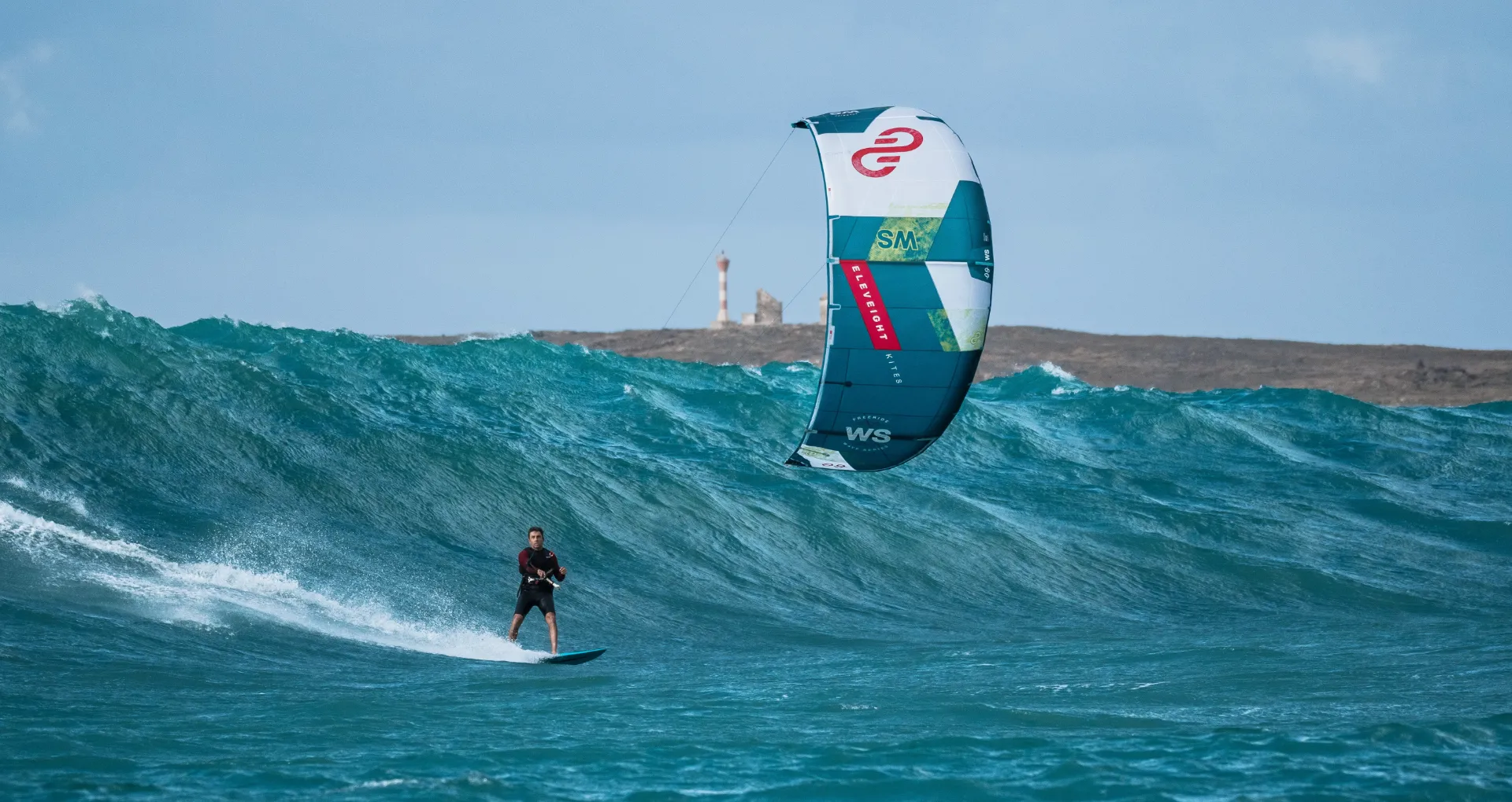
Cape Verde Kitesurfing: The Island Lifestyle
Escape the European winter to the islands of "No Stress". Cape Verde offers consistent trade winds from November to May. We have curated accommodations that offer high standards of comfort and hygiene, ensuring a relaxing trip for families while you enjoy the waves or the freeride spots.
2
Destinations
2
Hotels
2
Kite Schools
Destinations in Cape Verde
Hotels in Cape Verde
See all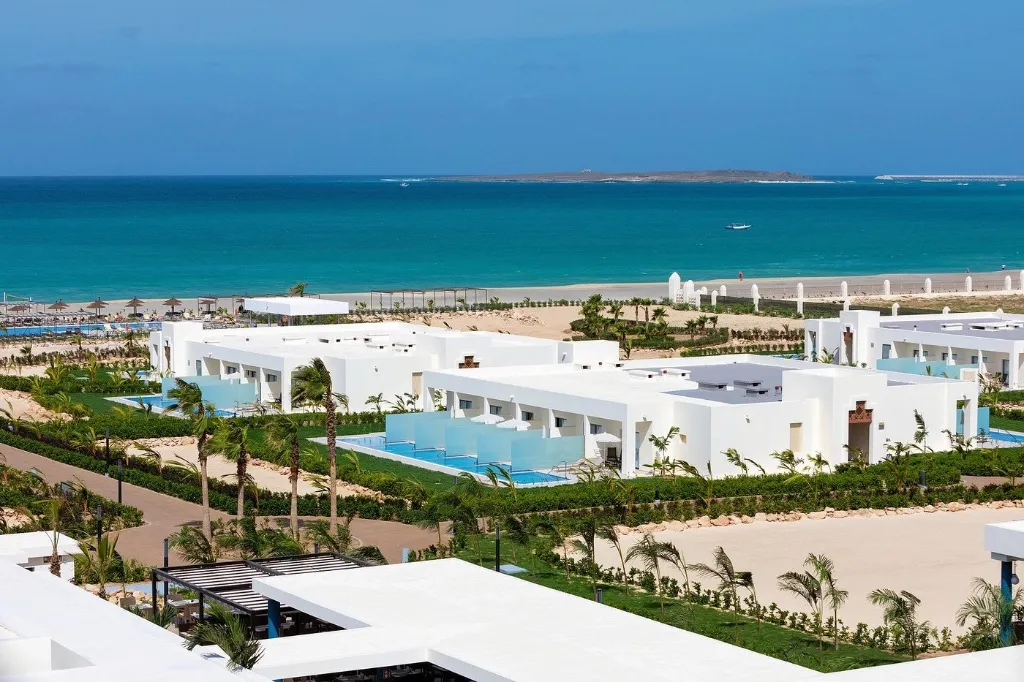
Kite Schools in Cape Verde
See all
More about Kitesurfing in Cape Verde
Why kitesurf in Cape Verde?
Cape Verde, the islands of "No Stress" off the West African coast, is one of the world's best winter-sun kite destinations. From November to May, exactly when most of Europe is cold and windless, the islands sit in the path of relentless trade winds and enjoy warm Atlantic water and year-round sunshine. With reliability as high as 85-90% in season, Cape Verde delivers some of the most dependable conditions anywhere, for everyone from first-timers to wave-hunting experts.
The main islands: Sal and Boa Vista
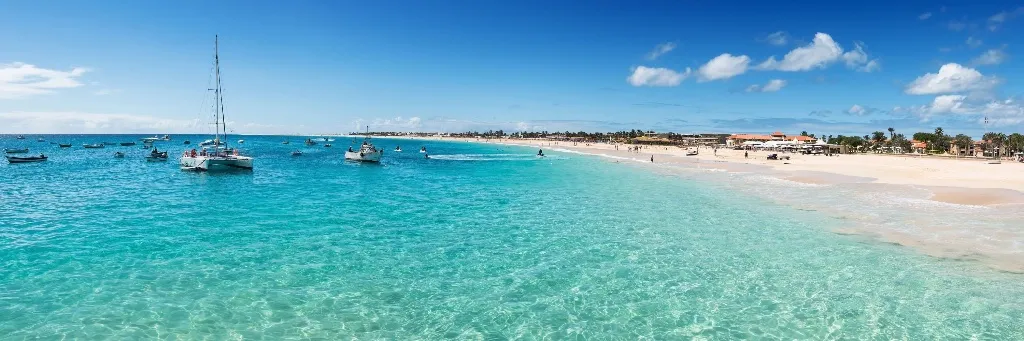
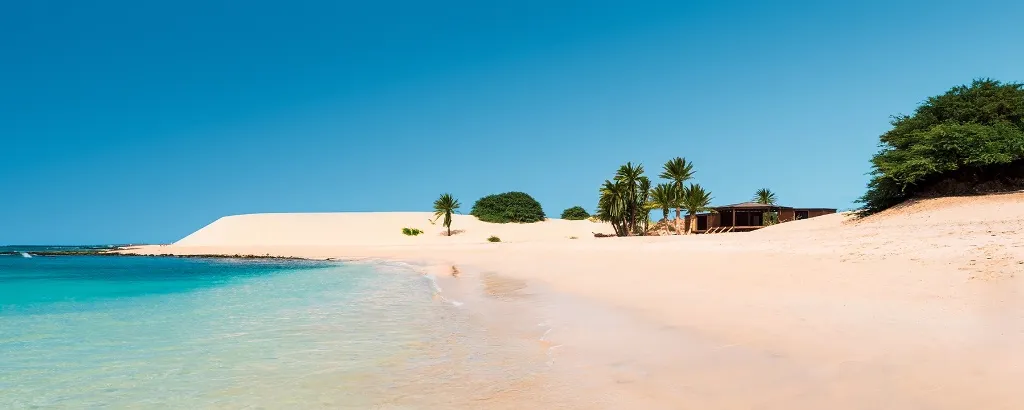
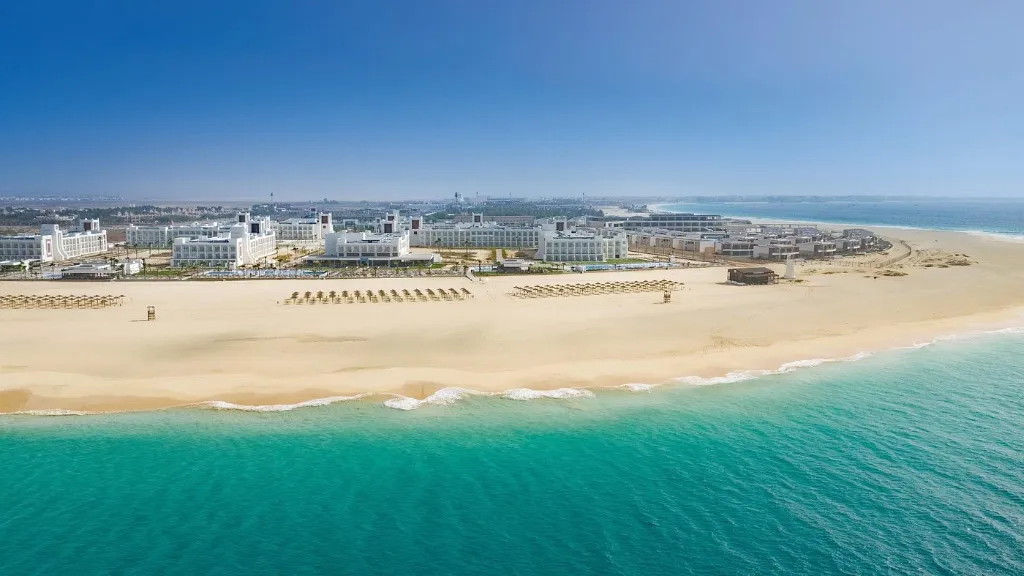
Our selection focuses on the two best-equipped islands. Sal is the lively, established hub, home of waveriding legend Mitu Monteiro, with the large Kite Beach bay for freeride and progression and the legendary Ponta Preta wave spot for experts, plus the buzzing town of Santa Maria. Boa Vista is its quieter sister, built around vast empty beaches and large all-inclusive resorts, offering uncrowded water and a relaxed, family-focused resort experience.
Wind and the best time to visit
Cape Verde's season runs through the European winter, roughly November to May, driven by north-easterly trade winds with around 85-90% reliability and frequent 15-25 knot days. This counter-seasonal timing is exactly what makes it so popular. Water stays warm year-round, around 25°C in the windy season, so a shorty or even board shorts are usually enough, with a light wetsuit nice for long sessions.
For beginners and families
Both islands cater well to learners: Sal's wide Kite Beach bay and Boa Vista's spacious beaches give plenty of room for lessons with IKO-certified, multilingual schools and rental gear. Off the water, Sal's Santa Maria offers restaurants, markets and excursions, while Boa Vista's all-inclusive resorts and desert, turtle and shipwreck trips keep non-kiting families happy. The warm water and relaxed island vibe suit couples and families alike.
Getting there and practical tips
Sal (SID) and Boa Vista (BVC) each have their own international airport with direct seasonal flights from several European cities, making Cape Verde one of the more accessible long-haul winter kite trips. Transfers to the beaches are short. A visa or entry registration (TASE) may be required, so check current requirements before travelling. The resorts are self-contained, so most visitors don't need a rental car.
Frequently Asked Questions about Kitesurfing in Cape Verde
When is the kitesurf season in Cape Verde?
The season runs through the European winter, roughly November to May, when the NE trade winds blow with around 85-90% reliability and warm water makes it a perfect winter-sun escape.
Should I choose Sal or Boa Vista?
Sal is livelier and more established, with the Kite Beach bay, the Ponta Preta wave spot and the town of Santa Maria. Boa Vista is quieter and more resort-focused, with vast empty beaches and large all-inclusive hotels.
Is Cape Verde good for beginners?
Yes. Sal's wide Kite Beach bay and Boa Vista's spacious beaches offer plenty of room for lessons, with IKO-certified multilingual schools and rental gear on both islands.
Do I need a wetsuit in Cape Verde?
Water stays warm at around 25°C in the windy season, so board shorts or a shorty are usually enough, with a light wetsuit comfortable for longer sessions.
Do I need a visa for Cape Verde?
A visa or entry registration (TASE) may be required depending on your nationality, so check current requirements before travelling. Sal (SID) and Boa Vista (BVC) both have international airports with direct European flights.